You Started With a Blog. Now What? A Practical Roadmap for Growing Your Website With Your Business

Photo: entrepreneur woman working on laptop planning website growth strategy at home office, via www.apple.com
The Website You Need Today Is Not the Website You'll Need in Two Years
There's a myth floating around in small business circles that your website needs to be perfect before you launch it. That you need the online store, the booking system, the membership portal, the blog, and the contact form all live on day one — or you're not ready.
That myth has stopped a lot of people from launching anything at all.
The reality is that the most effective business websites are built incrementally. They start simple, prove their value, and add features as the business actually needs them. The entrepreneurs who get this right don't overthink the first version — they ship it, learn from real users, and evolve from there.
Here's what that evolution can look like in practice, told through the stories of people who've actually done it.
Stage One: Stake Your Claim (The Simple Starter Site)
When Priya Anand launched her Austin-based nutrition coaching practice in 2021, her website was about as minimal as it gets: a homepage with a short bio, a services page, and a contact form. That's it. No blog. No booking system. No store.
"I just needed something that looked professional when potential clients Googled me," she says. "I wasn't trying to build a tech platform. I was trying to get my first ten clients."
That stripped-down site, built over a weekend using a no-code platform, did exactly what she needed it to do. It gave her credibility. It gave people a place to learn about her and reach out. And it cost her almost nothing.
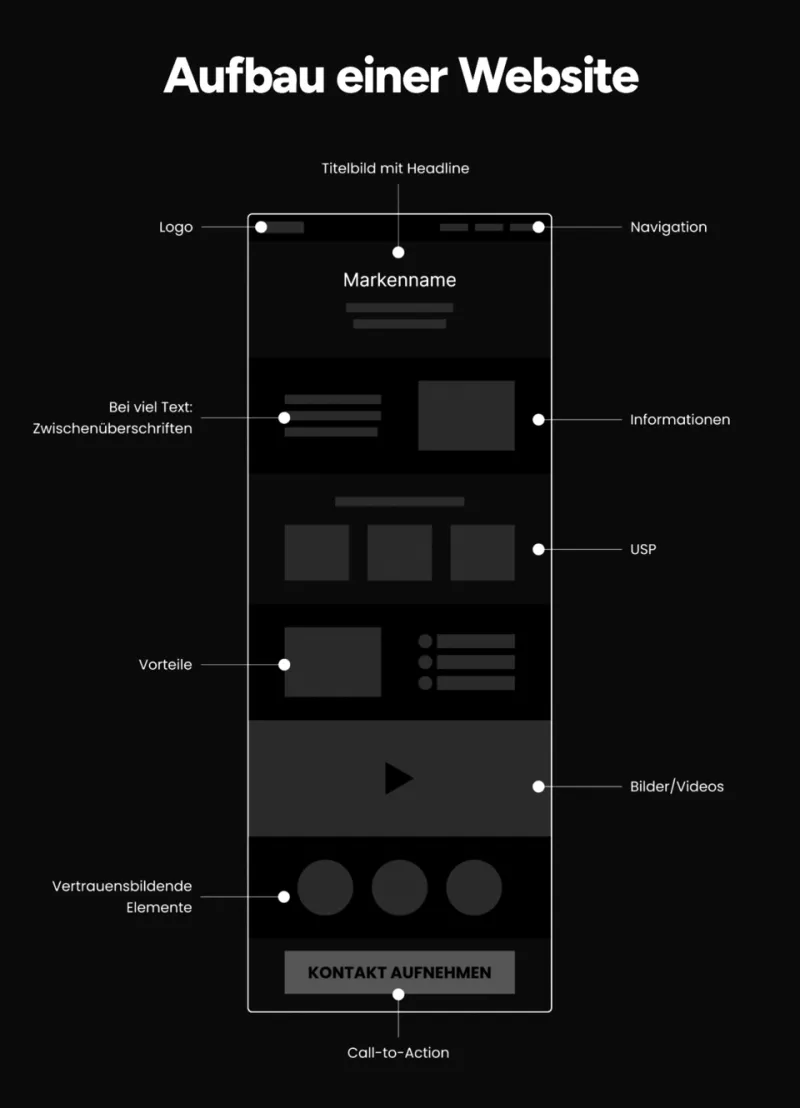
The lesson here is that a Stage One site has one job: establish your legitimate presence online. A clean design, a clear explanation of what you do, and a way for people to contact you is genuinely enough to start. Don't let perfect be the enemy of live.
What to build at this stage:
- Homepage with a clear value proposition
- About page
- Services or offerings overview
- Contact page with a form
Stage Two: Add Value Before You Ask for the Sale (The Content Layer)
About six months into running her coaching practice, Priya noticed that a lot of her intake calls were spent answering the same questions about macros, meal prep, and common nutrition myths. She started a blog — not because she had a grand content marketing strategy, but because it was easier to send clients a link than to repeat herself.
Something unexpected happened. Google started sending her traffic. People in Austin who'd never heard of her were finding her articles, reading multiple posts, and reaching out to book consultations.
Adding a blog to a no-code site takes about twenty minutes. It's one of the highest-return additions any service-based business can make, because it turns your website from a static brochure into a dynamic resource that compounds in value over time.
When to add this layer: When you find yourself repeatedly explaining the same concepts to clients, or when you want to start building organic search traffic.
What to add:
- A blog or resources section
- An email newsletter signup (connected to Mailchimp, ConvertKit, or similar)
- A simple lead magnet (a free guide, checklist, or mini-course)
Stage Three: Turn Attention Into Revenue (The Commerce Layer)
Denver-based ceramics artist Marcus Webb spent two years selling his work exclusively at Colorado craft markets and through Instagram DMs. His website was a portfolio — beautiful photos, a short artist statement, and an email address.
When he finally added an online store, he was nervous. He'd heard horror stories about complicated e-commerce setups and expensive developer fees. But his no-code platform had a native store feature that he activated with a single toggle. He spent one afternoon uploading product photos, writing descriptions, and connecting his Stripe account.
His first online sale came through three days after launch. Within six months, online revenue had surpassed his craft fair income.
"I kept thinking it was going to be this massive technical undertaking," Marcus says. "It was genuinely easier than setting up my Instagram shop."
For product-based businesses, the commerce layer is often the most transformative upgrade a site can get. For service businesses, this stage might look different — adding a booking calendar (via tools like Calendly or Acuity, both of which embed cleanly into no-code sites) or a paid workshop registration page.
When to add this layer: When you have consistent demand and are losing sales because you don't have a frictionless way to transact online.
What to add:
- An integrated online store or product catalog
- A checkout flow connected to a payment processor
- A booking or scheduling system
- Shipping and fulfillment settings (for physical products)
Stage Four: Build a Community Around Your Brand (The Membership Layer)
Nashville-based fitness instructor Dana Kowalski started with a basic class schedule and a blog. After two years of building an audience, she noticed that her most engaged followers wanted more than one-off YouTube videos — they wanted structure, accountability, and a community.
She added a paid membership portal to her existing site. Members get access to a monthly workout plan, a private community forum, and a weekly live Q&A. The membership generates predictable monthly recurring revenue that she calls "the best financial decision I've made for my business."
Membership functionality used to require custom development work and a significant budget. Today, platforms like MemberSpace, Podia, and Kajabi integrate directly with most no-code site builders, letting you gate content, manage subscriptions, and build community features without writing a single line of code.
When to add this layer: When you have a loyal audience that engages consistently with your free content and has expressed interest in deeper access or community.
What to add:
- Gated content or a member-only area
- A subscription billing integration
- Community features (forums, group chat, or a private Facebook Group linked from your site)
- Exclusive downloadable resources for members
The Secret: You Don't Have to Rebuild to Evolve
One of the biggest misconceptions about growing a website is that adding new features means starting over. That you'll eventually outgrow your original site and need to pay a developer $10,000 to rebuild everything from scratch.
Modern no-code platforms are designed specifically to prevent this. They're modular — you add what you need, when you need it, and the rest of your site stays exactly as you left it. The blog you added in year one still works. The contact form you built on day one still collects leads. The new store sits alongside your existing pages rather than replacing them.
This is one of the most underappreciated advantages of building on a solid no-code foundation. You're not locked in to your day-one decisions. You're building something that can genuinely grow with you.
A Simple Framework for Knowing When to Add Something New
Before adding any new feature to your site, ask yourself three questions:
- Is there a demonstrated need? Are customers asking for this? Are you losing revenue or leads because it doesn't exist?
- Is the timing right? Adding a store before you have consistent product demand is premature. Adding a membership before you have an engaged audience is building in the wrong order.
- Can I maintain it? Every new feature is a commitment. A blog you abandon after three posts signals neglect. Only add what you're genuinely prepared to keep up.
If the answer to all three is yes, it's time to evolve. And with the no-code tools available today, that evolution is usually a lot simpler than you think.