They Built Real Businesses With DIY Website Builders — And the Numbers Might Surprise You
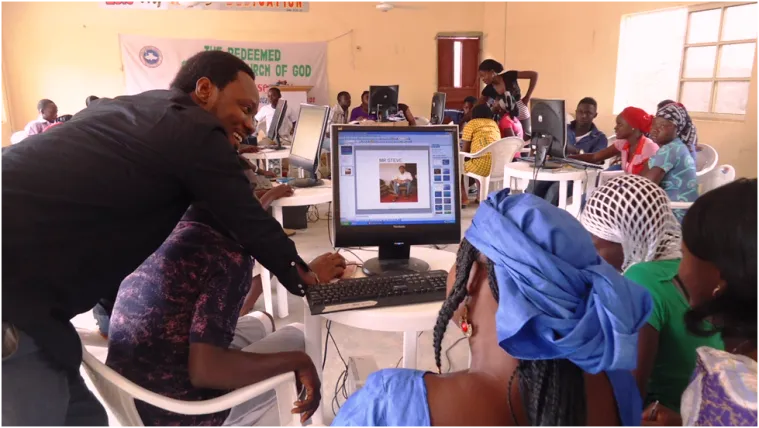
Photo: Abelkazzah, CC BY-SA 3.0, via Wikimedia Commons
There's a persistent myth in the entrepreneurship world that a "real" business needs a custom-coded website. That anything built with a drag-and-drop tool is somehow less serious, less professional, less capable of handling actual growth.
These seven entrepreneurs would like a word.
Each of them started with zero coding knowledge, a limited budget, and a no-code website builder. Each of them built something that generates real revenue. Their stories aren't about luck — they're about strategy, persistence, and the willingness to use the tools available to them rather than waiting until the conditions were perfect.
Maya, 34 — Handmade Candle Company, Austin, TX
Platform: Shopify
Maya started selling candles at a local farmer's market in 2019. She built her first online store in a weekend using Shopify, choosing a clean, minimal theme and spending exactly $0 on design help. "I didn't know anything about e-commerce," she says. "I just followed the setup wizard."
Within eighteen months, her Etsy-adjacent side hustle had become a full-time business. She credits two things: the built-in SEO tools that helped her rank for "soy candles Austin" without knowing what SEO stood for, and Shopify's abandoned cart recovery emails that she turned on almost by accident. Today, her store does over $200,000 in annual revenue.
Lesson learned: "Don't wait until you know everything. Launch ugly, then get better."
Derek, 41 — Freelance Photography Portfolio, Chicago, IL
Platform: Squarespace
Derek had been shooting weddings and corporate events for years, relying entirely on word of mouth. When the pandemic dried up in-person bookings, he built a Squarespace portfolio site in about four hours using one of the platform's photography-specific templates.
The visual impact was immediate. "Squarespace just makes photos look incredible out of the box," he says. "I didn't touch any settings — I just uploaded my work and it looked like a $10,000 website." He added a simple contact form and a blog where he documented shoots, which started generating organic Google traffic.
Within a year, he was booking clients from three states away and had raised his rates by 40%.
Lesson learned: "Your portfolio is your sales pitch. A beautiful, fast-loading site does the convincing for you."
Priya, 29 — Online Nutrition Coaching, Remote
Platform: Wix
Priya launched her nutrition coaching practice during a career change, with no business experience and no web skills. She chose Wix because a friend recommended it, and she built her entire service site — including a booking calendar, a client intake form, and a free resource library — using Wix's built-in app market.
"I was honestly shocked at what I could do without touching a single line of code," she says. She used Wix's blog feature to publish weekly articles on gut health, which gradually brought in consistent search traffic. She now has a waitlist and runs group programs that generate over $8,000 a month.
Lesson learned: "Content is your best marketing. I wrote 50 blog posts before I made a single dollar, and those posts still bring in clients today."
James, 52 — HVAC Service Business, Phoenix, AZ
Platform: WordPress.com
James had been running his HVAC company for fifteen years with zero online presence. His nephew helped him set up a WordPress.com site in an afternoon — James handled all the content himself, writing service descriptions and uploading photos of his work.
He added a click-to-call button, a Google Maps embed, and a contact form. Within three months, he was getting calls from the website. "I thought the internet was for young people," he laughs. "Turns out people Google 'AC repair Phoenix' at 2am when it's 110 degrees outside."
His site now generates roughly 40% of his new business leads.
Lesson learned: "For local service businesses, just being online and easy to contact is enough to stand out from competitors who aren't."
Sofia, 26 — Digital Printables Shop, Miami, FL
Platform: Shopify
Sofia sells digital downloads — planners, wall art, and budget templates — through a Shopify store she built in a single weekend. Her startup costs were under $50. Because her products are digital, she has no inventory, no shipping, and near-100% profit margins on each sale.
She grew her audience through Pinterest and Instagram, driving traffic back to her store. "Shopify handles everything automatically," she says. "The customer pays, the file downloads instantly. I don't have to do anything." In year two, her shop crossed six figures in revenue.
Lesson learned: "Automate everything you can from day one. The right platform does the work while you sleep."
Marcus, 38 — Online Fitness Training, Atlanta, GA
Platform: Webflow
Marcus is the most tech-comfortable person on this list — he describes himself as "design-curious but not a developer." He chose Webflow for its visual design flexibility and built a fitness training site that genuinely looks custom-coded.
He sells membership access to workout programs and runs a newsletter with 12,000 subscribers. Webflow's CMS lets him publish new content without touching any templates. "It has a learning curve," he admits, "but the end result is a site that doesn't look like everyone else's."
Lesson learned: "If design matters to your brand, invest the time in learning a more powerful tool. It pays off."
Tamara, 45 — Vintage Clothing Resale, Portland, OR
Platform: Squarespace
Tamara started reselling vintage clothing on eBay, then moved everything to her own Squarespace store to stop paying platform fees. She built the site herself over a long weekend, using a commerce template and photographing all her inventory at home.
"I was terrified I'd lose all my customers in the transition," she says. Instead, she found that her own site converted better than the marketplace — customers could see her story, trust her brand, and browse a curated collection rather than a chaotic listing feed. Her revenue grew 35% in the first year after launching her own site.
Lesson learned: "Own your platform. When you rely entirely on a marketplace, you're renting someone else's audience."
What All Seven Have in Common
Look closely at these stories and a clear pattern emerges. None of these entrepreneurs waited until they had the perfect budget, the perfect skill set, or the perfect plan. They picked a platform, launched something functional, and improved it over time. They used the tools available to them — the same tools available to you right now.
The idea that serious businesses need custom development is outdated. No-code platforms have matured into genuinely powerful business infrastructure. The question isn't whether you can build a real business with a DIY website builder. These seven people already answered that.